While Major League Baseball is often seen as a place of quiet concentration and traditional unwritten rules, the Korea Baseball Organization (KBO) League offers something entirely different. In South Korea, baseball is not just a sport but a high-energy festival that combines athletic skill with pop-culture showmanship. From the first pitch to the final out, the stadium is a whirlwind of synchronized chanting, flashing lights, and infectious music. This unique environment has turned the KBO into a global fascination, attracting fans who are tired of the slower pace of Western baseball. The KBO has successfully blended the technical rigor of the sport with a fan experience that feels more like a rock concert than a typical afternoon at the ballpark.
The Art of the “Ppa-dun”: Celebrating the Bat Flip
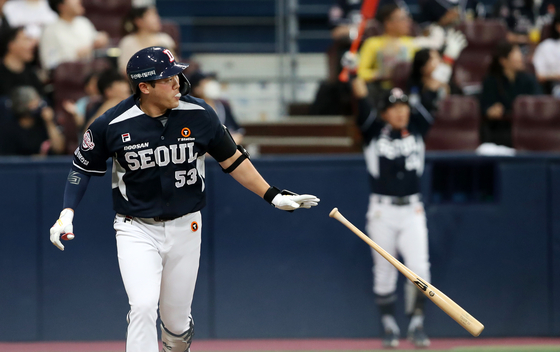
In the United States, a dramatic bat flip after a home run can sometimes lead to a “bench-clearing brawl” or a retaliatory pitch in the next inning. In Korea, however, the bat flip—known locally as ppa-dun—is an essential form of artistic expression. It is the exclamation point at the end of a successful at-bat.
A Cultural Difference in Sportsmanship
The ppa-dun is not seen as an insult to the opposing pitcher but as a celebration of the hitter’s own success and the joy of the crowd. KBO players have turned the bat flip into an elite skill. Some players toss the bat high into the air with a majestic spin, while others release it with a subtle, cool flick of the wrist. This cultural acceptance of flair is one of the primary reasons why international fans find the KBO so refreshing. It prioritizes the entertainment value of the game and allows players to show their personalities without fear of breaking outdated “unwritten rules.”
The Viral Global Reach of Korean Style
When KBO games were broadcast globally during various international sporting lulls, the ppa-dun became an overnight sensation on social media. Fans from New York to London were captivated by the sheer audacity and elegance of Korean hitters. This global attention has forced many traditionalists in other leagues to reconsider their stance on player celebrations. The KBO proved that adding a bit of theatricality does not diminish the integrity of the game; it actually makes it more accessible and exciting for a younger, more diverse audience.
The Rhythm of the Game: Organized Cheering and Song
The most striking feature for any first-time visitor to a KBO stadium is the noise. Unlike the organ music or occasional “Let’s Go” chants found in American parks, KBO cheering is continuous, complex, and highly organized. Each player on the roster has their own specific “cheer song,” which is played by a live band or through the stadium speakers every time they step up to the plate.
The Role of the Cheerleading Squad
At the heart of the stadium is the “cheering stage,” located on top of the home and away dugouts. This is where the Eung-won-dan (cheering squad) operates. Led by a high-energy cheering captain and a team of professional cheerleaders, the squad directs the fans in synchronized movements and songs. The fans do not just sit and watch; they stand for the entire half-inning when their team is batting, following the lead of the captain with military precision. This level of engagement ensures that there is never a dull moment, even during the slower portions of a nine-inning game.
Technology and the Digital Fan Experience
In the modern era, this cheering culture has expanded beyond the physical stadium. Fans who cannot attend in person use digital platforms to stay connected to the rhythm of the league. For those seeking the full atmospheric experience of a live match, finding a reliable 전국티비 중계 is the preferred way to feel the energy of the crowd from home. The high-definition audio and visual quality of modern broadcasts allow remote viewers to hear the thunderous chants and see the intricate “card stunts” performed by the fans, making the digital experience almost as immersive as being in the stands. This connectivity ensures that the KBO’s vibrant culture remains a 24/7 phenomenon for its dedicated fanbase.
The Social Heart of the Ballpark: Food and Community
While the action on the field is the main draw, the social experience of a KBO game is equally important. In Korea, going to a baseball game is a popular social activity for families, couples, and groups of coworkers. The stadium is designed to be a communal space where people can relax and enjoy each other’s company.
The Legend of “Chi-maek” at the Stadium
Food is a central pillar of the KBO experience. The most famous combination is “Chi-maek”—a portmanteau of chicken and maekju (beer). Fans often order entire buckets of fried chicken to be delivered directly to their seats or bring in massive spreads of local delicacies like kimbap, tteokbokki, and grilled pork. Unlike many stadiums in other countries that have strict rules against outside food, KBO parks are much more lenient, encouraging a picnic-like atmosphere that lasts for several hours.
Specialized Seating and Group Dynamics
To accommodate this food-centric culture, many KBO stadiums feature “table seats” where fans can lay out their meals and drinks comfortably while watching the game. There are also specialized zones for “glamping” or family-friendly areas with playgrounds. This focus on comfort and hospitality makes the ballpark an attractive destination even for people who might not be hardcore baseball fans. It is about the shared experience of being part of something larger than oneself.
A Comparison of Baseball Cultures: MLB vs. NPB vs. KBO
To truly appreciate the KBO, it is helpful to compare it to the other major professional leagues in the world. Each league has a distinct “personality” that reflects the culture of its home nation.
MLB: The Traditional Powerhouse
Major League Baseball is the gold standard for talent and history. Its culture is one of reverence for the past, with a heavy focus on individual statistics and the “purity” of the game. While MLB has recently introduced new rules to speed up play, the overall fan experience remains relatively conservative and observational compared to the high-energy environment of Korea.
NPB: The Focused Discipline
Japanese baseball (Nippon Professional Baseball) is known for its incredible discipline and “small ball” tactics. The fan culture in Japan is also highly organized, featuring “Ouendan” cheering groups that use trumpets and drums. However, the Japanese style is often described as more “serious” or “coordinated” than the Korean style. While NPB fans are incredibly dedicated, the KBO adds a layer of spontaneity and “fun” that sets it apart. The KBO experience is often described as a more “democratic” and “explosive” version of the Japanese model.
The Economic Impact of High-Intensity Fan Engagement
The KBO’s ability to turn a sports match into a lifestyle event has significant economic benefits for the clubs and their corporate owners. Most KBO teams are owned by large Korean conglomerates like Samsung, LG, and Doosan, who use the teams as a primary marketing tool.
Merchandise and Brand Loyalty
Because fans are so emotionally invested in their teams, the demand for merchandise is massive. Fans do not just wear a simple cap; they wear “player jerseys” covered in patches, carry specialized cheering tools like “thunder sticks,” and purchase branded accessories for their phones and homes. This brand loyalty extends to the parent corporations, creating a powerful marketing ecosystem where the success of the team boosts the image of the entire corporate group.
The Rise of the “Influencer” Fan
In 2026, the KBO fan experience is heavily influenced by social media. Fans compete to create the most viral “cheering videos” or to document their stadium food hauls on TikTok and Instagram. This organic marketing by the fans themselves has helped the KBO reach a younger demographic that many other professional sports leagues are struggling to capture. The league has embraced this digital trend, installing “selfie zones” and high-speed Wi-Fi in stadiums to encourage fans to share their experiences in real-time.
The Psychological Power of the Collective
There is a deeper, psychological reason why the KBO cheering culture is so successful. In a fast-paced and often high-stress society like South Korea, the baseball stadium serves as a vital emotional outlet.
Releasing Stress through Synchronized Chanting
The act of shouting at the top of one’s lungs for three hours as part of a group provides a powerful sense of catharsis. When thousands of people sing the same song in unison, it creates a feeling of social solidarity that is hard to find in modern urban life. This “collective joy” is the secret ingredient that makes the KBO experience so addictive. Fans describe leaving the stadium feeling mentally refreshed, regardless of whether their team won or lost.
Preservation of Local Identity
In an increasingly globalized world, KBO teams remain a strong source of regional pride. Whether it is the passionate fans of the Lotte Giants in Busan or the dedicated supporters of the Kia Tigers in Gwangju, each team represents the unique character and history of its home city. The cheers and songs often incorporate local dialects and cultural references, ensuring that the league remains a true reflection of the people it serves.
The Future of the KBO Spectacle
As the KBO looks toward the future, the challenge will be to maintain this unique “fun” factor while continuing to improve the quality of play on the field. The league is currently investing in new, modern stadiums that prioritize both the fan experience and player safety. These “next-generation” ballparks will feature even more integrated technology, such as augmented reality (AR) displays that show player stats in real-time as you look at the field through your smartphone.
Despite these technological advancements, the heart of the KBO will always be the fans. As long as there are people willing to dance on dugouts, flip bats with style, and share a bucket of fried chicken with friends, the KBO will remain one of the most vibrant and essential experiences in the world of sports. It is a reminder that at its core, baseball is a game meant to be enjoyed, celebrated, and shared.
The journey from a simple sports league to a global cultural phenomenon is a testament to the creativity and passion of the Korean people. The KBO has proven that you don’t need to choose between a serious competition and a great party—you can have both. For anyone who thinks baseball is boring, a single night at a KBO stadium is enough to change their mind forever. The bat flips will continue to fly, the bands will continue to play, and the fans will continue to be the loudest and most colorful in the world.